 EpoxyGrind
Best picks
Best Dust Extractors for Concrete Grinding (2026)
Dust collection isn't optional on a dry grind — it's the difference between a fine haze of silica dust and air you can actually breathe in an enclosed garage.
Grinding concrete dry (see our concrete prep guide) produces respirable crystalline silica dust — a real, documented long-term health hazard, not just a cleanup nuisance. A shrouded grinder connected to real dust collection cuts exposure dramatically; wear a respirator regardless.
| Product | Tank size | Airflow (CFM) | Filtration | Price |
|---|---|---|---|---|
| DEWALT DWV010 8-Gallon HEPA Dust Extractor with Automatic Filter Cleaning | 8 gallon | See product page | HEPA (with DWV9330 filter) | See retailer |
| Bosch VAC090AH 9-Gallon Dust Extractor with Auto Filter Clean + HEPA | 9 gallon | 150 CFM | HEPA, 99.97% @ 0.3 micron | $649.99–$791.99 |
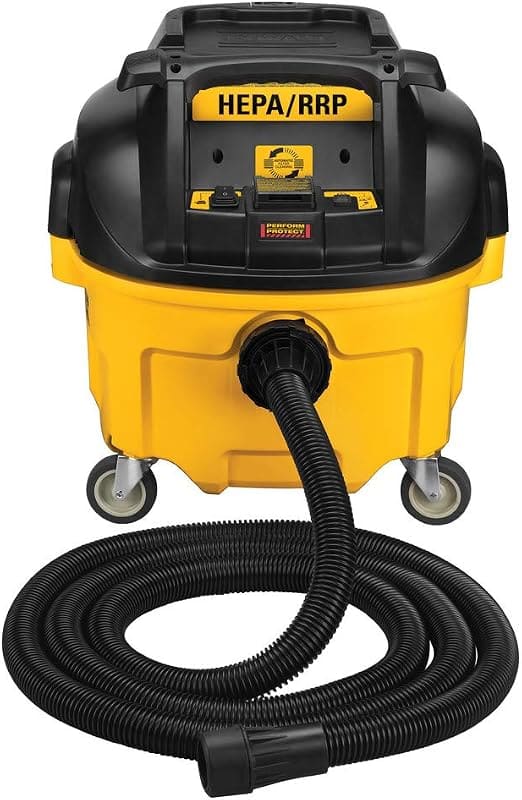
DEWALT DWV010 8-Gallon HEPA Dust Extractor with Automatic Filter Cleaning
DEWALT
Auto filter cleaning every 30 seconds and tool actuation, sized right for a single grinder on a garage-scale job.
If you're buying our recommended DEWALT grinder + shroud kit, this extractor is the natural pair — same brand, tool-actuated startup, and automatic filter cleaning every 30 seconds so suction doesn't fade over a long grinding session.
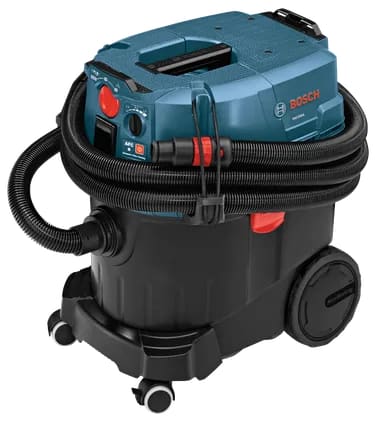
Bosch VAC090AH 9-Gallon Dust Extractor with Auto Filter Clean + HEPA
Bosch
$649.99–$791.99 (varies by retailer)as of 2026-07-03
Higher rated airflow and a larger 9-gallon tank — worth the step up if you're grinding more than one garage or a bigger space.
Bosch's VAC090AH is a step up in both capacity and documented performance — 150 CFM airflow, a HEPA filter rated for 99.97% capture at 0.3 microns, and auto filter-clean cycling every 15 seconds. It's priced above the DEWALT pairing, which makes the most sense if you're grinding more than a single garage, doing this professionally on the side, or simply want more margin on airflow for a larger space.
How we evaluate
We weigh HEPA-rated filtration (not just "fine dust" marketing language), auto filter-cleaning (manual filter cleaning mid-job is a real productivity and exposure tax), and whether the extractor is sized to the grinder's shroud requirements rather than a generic shop vac that chokes under real dust load. Specs above are pulled from the manufacturer/retailer listings linked at the verified date shown; we have not independently bench-tested airflow or filtration claims.
Rather have a pro do it?
Upload a photo and get a priced estimate in seconds — no obligation.
FAQ
Can I use a regular shop vac instead of a purpose-built dust extractor?
A standard shop vac without HEPA filtration will pass fine silica particles straight through and back into the air, largely defeating the point. If budget is the constraint, at minimum look for a shop vac with a certified HEPA filter upgrade, even if it lacks auto-cleaning.
Does the extractor need to match my grinder brand?
No — most extractors connect via a standard or adapter-compatible hose to any shrouded grinder. Brand pairing (like DEWALT-to-DEWALT) is a convenience, not a requirement.
Is a respirator still necessary if I have a good dust extractor?
Yes. Dust collection reduces airborne exposure significantly but doesn't eliminate it — wear a properly rated respirator (P100/organic-vapor cartridges) any time you're grinding, regardless of your extraction setup.
How do I know when the filter needs cleaning or replacing?
A noticeable drop in suction is the main sign — auto-cleaning extractors handle this automatically during use, but the filter itself still needs periodic manual cleaning or replacement per the manufacturer's schedule, especially after a large job.